Act20 October 2026
🍋 An ageing parent's operation: what to prepare before discharge, and what no one plans for
What takes the longest to come back after even a short period of immobility is almost never the joint that was operated on.
Read the guide
You run a care service? An AI that does not keep your data, and a second brain, your memory on your computer: you no longer explain everything again.
Yvan Keyna · Published on 20 October 2026

The right AI is the one that keeps nothing of what you entrust to it: neither your emails, nor your reports, nor the names of your partners. The memory it needs to help you is something you keep, on your computer, in a second brain.

Question 1
Today, we should all be using artificial intelligence to save hours. Especially when you run a care home or a care service.
There is no shortage of tasks:
But as soon as it concerns your organisation, two things block you.
The first: your AI does not remember you. In every conversation, you have to explain everything to it again: how you work, what has already been done, what has already been decided.
The second: you hesitate to entrust it with your information. Your emails, your reports, the name of a partner: what becomes of them, once sent? Your personal life, the life of your organisation: you do not want to leave everything with the company that provides the AI.
This guide starts with the second. Because its answer changes everything for the first.
Question 2
It depends on the AI, and on your subscription. There are AIs that keep nothing.
This is called Zero Data Retention, zero storage of data. What you entrust to the AI is not stored: so it cannot then be used to train it. Your emails, your reports, your meeting notes: the AI reads them to answer you, then does not keep them.
For an organisation, this is concrete. The name of a partner, for example, is not at risk of surfacing elsewhere. What you entrusted remains a conversation: never a lesson learned by the AI.
And it is simple: an option on paid plans, to be requested from the company that provides the AI. You have nothing to build, nothing to install.
The question applies to the families of those you support too. A guide on the site shows them what you never entrust to an AI: 👉 What if you could understand that medical document tonight, without bothering anyone?
Question 3
It will not. An AI that keeps nothing has the memory of a goldfish.
That is the downside. Without memory, the first difficulty comes back: in every conversation, you would have to explain everything to it again. And every explanation takes back the minutes that the AI was supposed to save you.
So must you choose between an AI that remembers you, and an AI you can entrust with everything? No. You only need to move the memory.
When an AI remembers you, your memory lives with the company that provides it. It is convenient, as long as you keep the same AI: the day you change, your memory stays with it.
And what if your memory lived with you?
Question 4
A second brain is your memory, on your computer. Everything that concerns you is stored and gathered there.
Your personal life as much as the life of your organisation. What has already been done, what has already been decided, what remains to be done.
It learns with you, and it is kept up to date. Your AI quickly looks there for what it needs: without reinventing, without you having to tell it again.
Your AI has the memory of a goldfish? So much the better. Your memory is no longer with the company that provides the AI: it is with you. And because it is with you, it follows you: changing AI no longer makes you lose what it knew.
There is no need for your AI to remember you. Your second brain is your memory, and you decide what goes in.
What it brings you, in plain terms:
An example: you are preparing a report. Your AI finds in your second brain what was decided at the last meeting, what has already been gathered, the form of your previous reports. You have nothing to tell it again: you read, you correct, you decide.
Question 5
The two difficulties, their two answers, and what each one requires:
| The difficulty | The answer | What it requires |
|---|---|---|
| You hesitate to entrust your information to your AI | An AI that keeps nothing | An option to request: it is simple |
| You explain everything again in every conversation | A second brain, your memory on your computer | A build, with support |
Each one has its limits.
An AI that keeps nothing tells you what is not stored. It does not tell you where your data passes through: it is not a guarantee of sovereignty.
A second brain, for its part, is not bought like a subscription. It is built, and you do not build it alone.
It does not decide for you. It finds what has been done; the choice remains yours.
And it is only worth what you put in it. An empty memory finds nothing.
Question 6
With two things to do, without installing anything.
The first: put a question to the company that provides your AI. Is what I entrust to you stored? Is it used to train your AI? Put it in writing: its answer will also join your memory.
Its answer tells you what you can entrust to it about your organisation, and what you keep for yourself.
The second: before your next conversation with your AI, note down what you explain to it every time. Who you are, how your service works, what has already been decided.
This list is what a second brain would keep for you. On one page, it shows you everything you would no longer have to say again.
Keep it, and add to it over the weeks. It is the first page of your memory: it is already with you.
And you, what would you like never to have to explain to your AI again? Let us write to each other: 👉 contact@help-editions.co.uk
👉 Yvan Keyna is a trainer, in artificial intelligence among other subjects, and the author of 👉 Help! Who's Going to Take Care of My Parents?
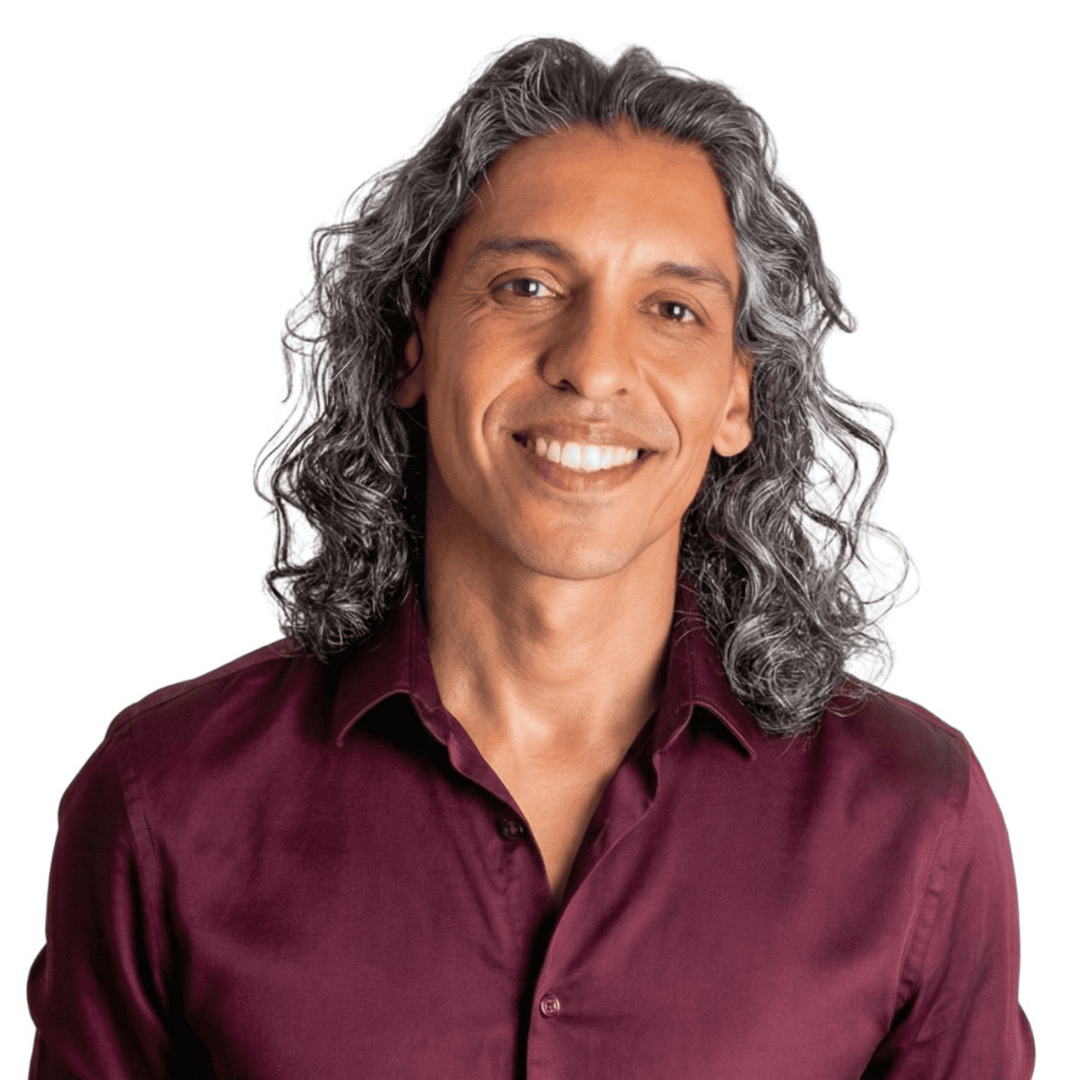
Author: Yvan Keyna
| # | Fact cited | Link |
|---|---|---|
| 1 | Zero Data Retention: the provider neither stores nor logs requests and responses, beyond what the answer requires; option on paid plans, on request | 👉 Mistral AI, Zero Data Retention |
| 1b | Non-retention reserved for eligible API customers, with an exception for legal reporting | 👉 OpenAI, Zero Data Retention |
| 1c | Non-retention on request, for API access only, excluded from the chat application | 👉 Mistral AI, activating Zero Data Retention |
| 2 | The cross-reference to the guide on AI and the medical document | 👉 What if you could understand that medical document tonight, without bothering anyone? |
| 3 | The author's page | 👉 Yvan Keyna |
| 4 | Book 1 | 👉 Help! Who's Going to Take Care of My Parents? |
A second brain is your memory, on your computer: what has already been done, what has been decided, what remains to be done, for your personal life as much as for your organisation. Your AI looks there for what it needs, without you having to tell it again. You decide what goes in.
It depends on the AI, and on your subscription. There are AIs that keep nothing: what you entrust to them is not stored, and so cannot then be used to train them. To find out, put the question in writing to the company that provides your AI.
No. An AI that keeps nothing tells you what is not stored; it does not tell you where your data passes through. It is not a guarantee of sovereignty.
No: an AI that keeps nothing has no memory. The memory is something you keep, on your computer, in a second brain. Your AI finds there what has already been done, and you no longer have to explain everything to it again in every conversation.
What takes the longest to come back after even a short period of immobility is almost never the joint that was operated on.
Read the guideNonviolent communication reaches its limits with your stubborn parent? The tool is not what is failing: the conversation is not the one you think you are having.
Instead of looking for one more thing to do for your parent, look for one thing to do with them, meant for someone else.
Read the guide
Leave your email: the next game comes to you, no need to look for the QR code.