Act13 October 2026
🍋 Helping an Ageing Parent: What If You Gave Them a Place Instead?
Instead of looking for one more thing to do for your parent, look for one thing to do with them, meant for someone else.
Read the guide
What takes the longest to come back after even a short period of immobility is almost never the joint that was operated on.
Yvan Keyna · Published on 20 October 2026
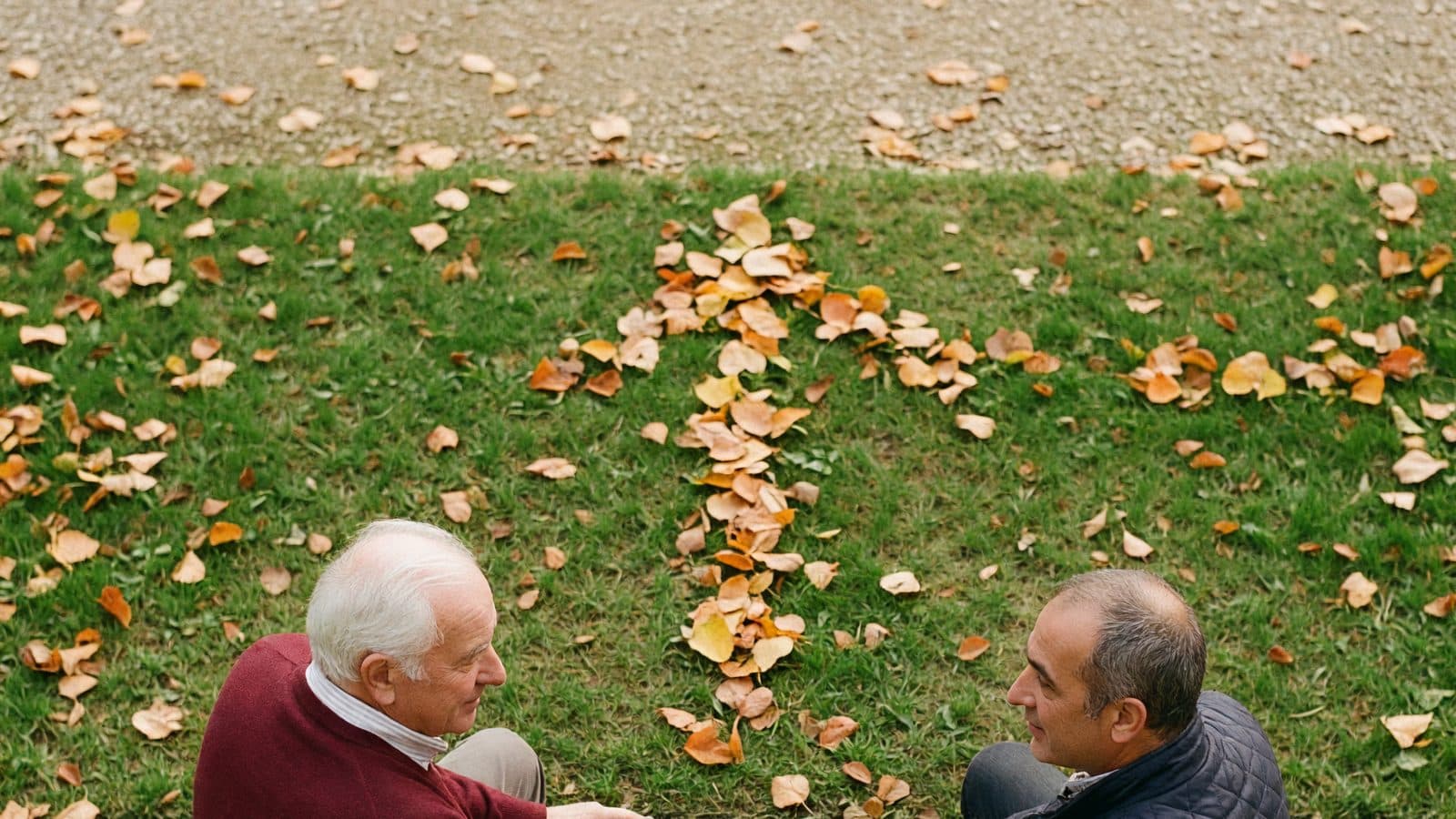
A knee replacement, a hip, a cataract: these are planned operations, routine, and they go well. The date is known weeks in advance, and the family organises itself around it seriously. The physiotherapist is booked, the meals are planned, the lifts are shared out among the children, the armchair is moved downstairs.
All of this is right. All of this is necessary. And yet, all of this concerns the body — that is, the only part of recovery that already has professionals to take care of it.
What this article suggests is shifting your focus one notch. Because what takes the longest to come back after even a short period of immobility is almost never the joint that was operated on. It is a point I develop in Help! Who's Going to Take Care of My Parents?, and it completely changes the list of what gets prepared.

Question 1
When an ageing parent comes out of hospital, the family's attention naturally goes to four things: pain, mobility, eating and follow-up appointments. These are the four subjects on which the nursing staff gave written instructions.
That is what explains their place. A written instruction creates a task; a task creates someone responsible; someone responsible produces follow-up. Everything else, since it does not appear on a discharge sheet, exists for no one.
This mechanism is reassuring, and that is the trap: the family feels it has covered everything because it has covered everything it was asked to cover. The list is complete from the hospital's point of view. It is not complete from the point of view of your parent's life.
Question 2
Here is the fact, as I wrote it in the book:
“When a parent who is used to gardening, seeing friends or taking part in group activities finds themselves immobilised, even for a short time, it is often their social life, even more than their health, that takes the biggest hit.”
Read the end of that sentence again: even more than their health. This is not a nuance, it is a ranking. Immobility first damages what has no protocol, no professional and no check-up appointment.
The reason is mechanical. The knee has rehabilitation: a schedule, sessions, someone who leads it and who sees the progress. Social life has none of that. No one prescribes getting back to a habit, no one checks that it happens, and no one worries if it does not come back.
Question 3
The book gives a specific example, and it says more than any demonstration could: “if your mother went to the market every Saturday and finds herself immobilised for two months, she will struggle to get back into that habit”.
Two months means eight Saturdays. The first is cancelled by the operation. The next ones are cancelled by the recovery, without anyone having to decide anything.
Then comes the ninth — and there, something has changed in nature. What was a habit that picked itself back up on its own has become a decision to make. You have to get dressed, go out, face the tiredness of returning, and go back to a place where you are no longer expected in the same way. A twenty-year habit took no drive at all. Getting it back takes a great deal — and that drive has to be found alone.
The book connects this point to what is really at stake: “behind this activity, like so many others, lies a meaning, a reason to keep going. When the routine fades, so does the meaning that carried it”. So it is not a Saturday outing that is lost, it is a reason to get up.
Question 4
The good news is that almost everything happens before, during the period when the family is mobilised and available. Here are the steps, as the book lists them.
Organise visits ahead of time. “Contact the hospital ward and pass on your parent's details to family and friends (room, phone, visiting hours, organisation of visits, etc.)” The key word here is organisation: visits spread out are better than three people on the same afternoon and no one the rest of the week.
Let trusted neighbours know. “Let trusted neighbours know about the hospital stay (picking up the post, keeping an eye on the home, letting people in for deliveries of medical equipment).” The book presents this step as logistics, and it is. But it has a second effect, even more important: these same neighbours are the ones who will notice, two months later, that your parent has not gone back out. It is the only alert system that does not depend on you.
Get the home ready before the return. This seems obvious, and yet it is the step most often done in a rush, the day before or that same morning.
Keep the contact details. “Keep the contact details of the hospital ward and of the doctor in charge in case of questions after discharge.” A question with no one to ask becomes a worry; a question with a phone number becomes a three-minute call.
And above all, build the plan. The book is explicit on this point: it talks about an emotional recovery plan, with a goal understood and shared by family and friends. Then it adds the sentence that matters: “this plan is worked on, it is not improvised”.
In practice, this means one very simple thing: the goal for getting back to things is named and dated before the operation. Not “that she gets back to her activities”, but the activity, clearly identified, and the day it starts again. And someone who goes along the first time.
Question 5
The wait between the operation and getting back to things does not have to be empty. The book points to a concrete option that needs no equipment: “there are many activities that can be done sitting in a chair, using, for example, water bottles or simple party balloons”.
Two precautions, because they go without saying but are better said. Anything involving movement is cleared with the care team, who know the operation and what follows it. And I am not promising any health benefit here: the point of these activities, in the context of this article, is that they are done with other people and that they create a set time to meet.
Because the set time is exactly what is missing. Social ties are not kept up by the memory one has of people: they are kept up by recurring chances to see them. For two months, those chances all disappear at the same time.
Question 6
Two months off are enough to break a twenty-year habit, and no one restarts it in your parent's place. Not the hospital, which has finished its job. Not the physiotherapist, whose remit stops at the body. Not the regulars of the place, who have no reason to worry about an absence.
The passages quoted here come from Help! Who's Going to Take Care of My Parents?, written by Yvan Keyna.
Getting back to things is prepared before discharge, not after. That is the whole content of this article, and it is also all there is to remember: on the day you list the physiotherapist, the meals and the lifts, the missing line is the first outing afterwards — its date, its place, and the person who goes along.

Author: Yvan Keyna
| # | Fact cited | Link |
|---|---|---|
| 1 | The quotations and examples in this guide come from the book | Help! Who's Going to Take Care of My Parents? |
It is almost never the joint that was operated on. When a parent who is used to gardening, seeing friends or taking part in group activities finds themselves immobilised, even for a short time, it is often their social life, even more than their health, that takes the biggest hit.
What used to be a habit that picked itself back up on its own has become a decision to make. A twenty-year habit took no drive at all. Getting it back takes a great deal — and that drive has to be found alone.
Organise visits ahead of time, let trusted neighbours know, get the home ready before the return, keep the contact details and build the plan. The goal for getting back to things is named and dated before the operation.
Instead of looking for one more thing to do for your parent, look for one thing to do with them, meant for someone else.
Read the guideThe years of decision your parent no longer has, you still have: three often-neglected tests, daily movement, a routine rather than a goal.
Read the guideA consumer artificial intelligence tool can translate a medical document into plain words and help you prepare your questions, without replacing professional advice.
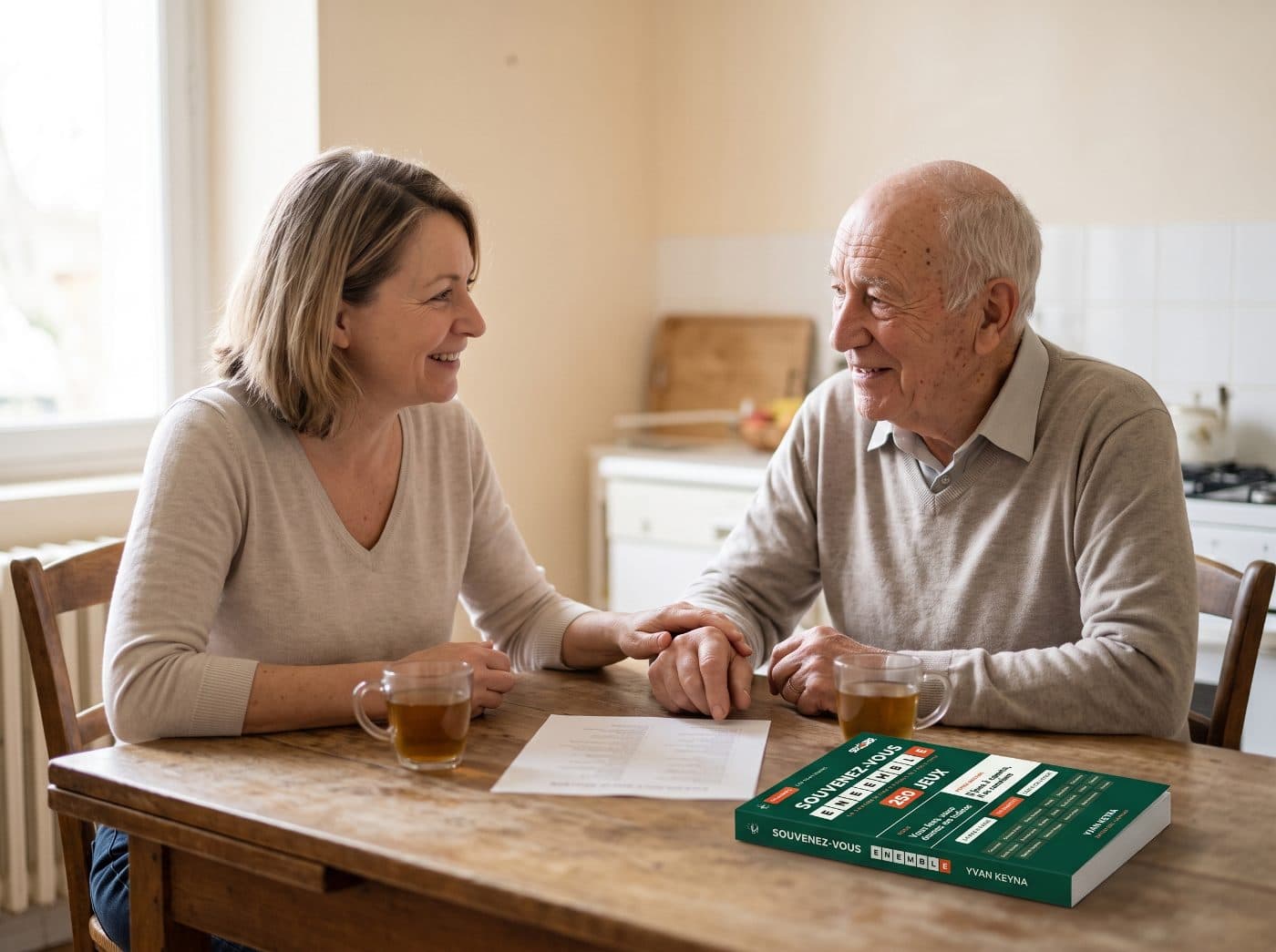
Leave your email: the next game comes to you, no need to look for the QR code.